
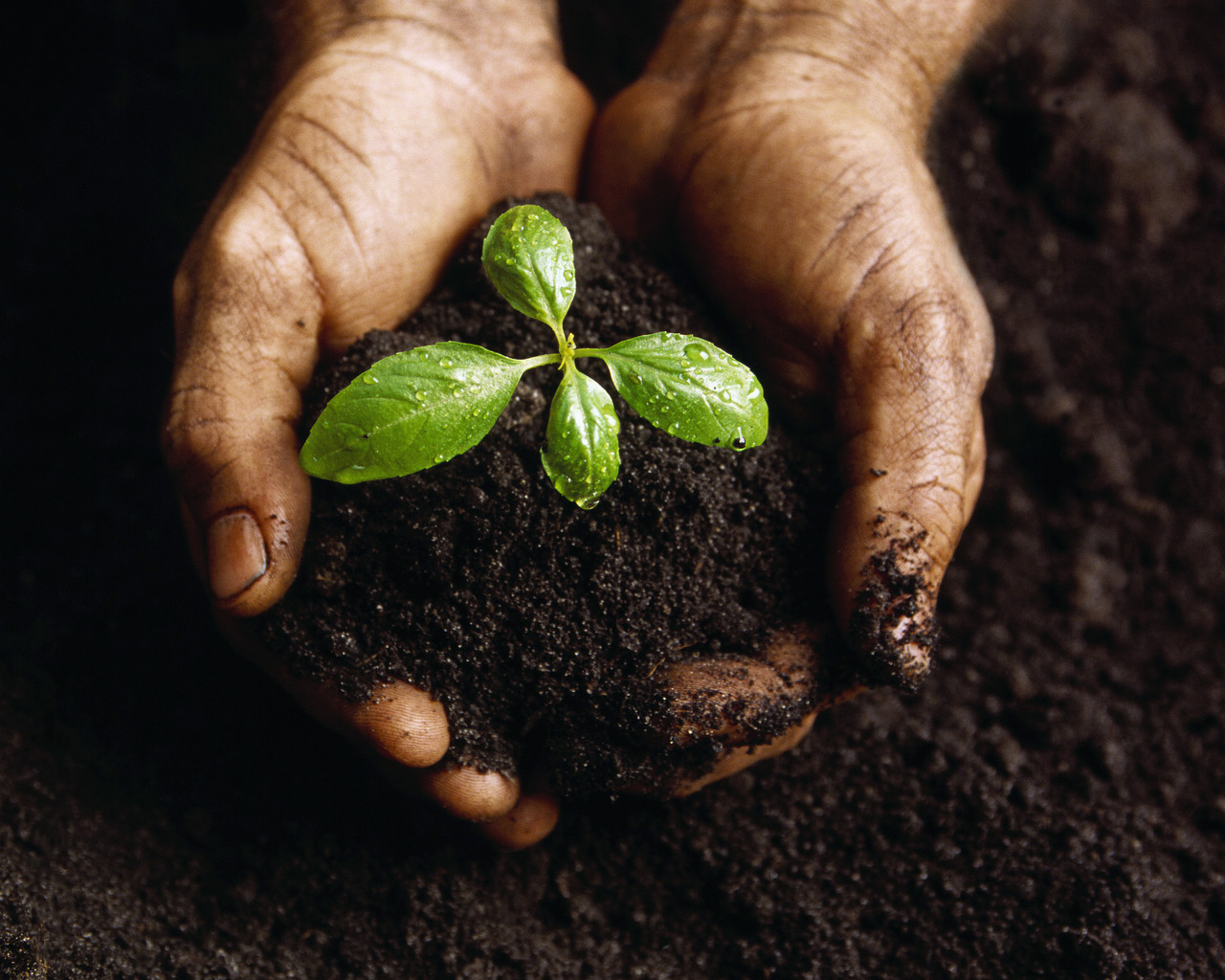
HOPE IS A SEED. FAITH IS A SEED. RESILIENCE IS THE DAILY WORK OF CARING FOR THEM.
WHAT DOES HOPE LOOK LIKE WHEN LIFE CHANGES EVERYTHING?
If hope were a seed, what would you do to keep it alive when the ground beneath you begins to crumble?
What does faith mean when the answers don't come?
What does good health mean when the body you trusted begins to fight a battle you never prepared for?
And what kills hope? Fear? Silence? Loneliness? The feeling that the future you imagined is slowly slipping away?
Or perhaps hope doesn't die at once. Perhaps it simply stops receiving the things it needs to grow.
A story about two people, one difficult journey, and the courage to keep believing.
They had imagined growing old together.
Ordinary mornings. Shared meals. Small disagreements that ended in laughter. Plans for holidays they hadn't yet taken. A future made up of thousands of little moments they assumed would always be there.
Then came the diagnosis.
Cancer.
Suddenly, the conversations changed.
Appointments replaced spontaneous outings. Medical results became the subject of anxious discussions. Nights grew longer. Even silence felt different.
She was the one whose body was fighting, but the illness entered their life as a couple.
She had days when she felt strong enough to face the world and other days when simply getting out of bed was an achievement. There were moments when she smiled to reassure everyone around her, even when she was frightened herself.
And he was learning a different kind of courage.
He wanted to fix things. To find the right words. To take away her pain. But there were moments when he could do none of those things.
Sometimes, all he could do was sit beside her.
To listen.
To hold her hand when neither of them knew what tomorrow would bring.
To remind her that she was still the woman he loved not merely a diagnosis, not a patient, not a body going through treatment, but a whole human being with dreams, fears, memories and a future still worth imagining.
And she, in turn, reminded him that he did not have to be strong every minute either.
They were learning that love is not always about having the answers.
Sometimes, love is staying present when there are no answers.
Their story was not about pretending everything would be fine. It was about refusing to let uncertainty take away every reason to live, love and believe.
They began to measure time differently.
One appointment at a time.
One difficult conversation at a time.
One morning when she felt a little better.
One evening when they laughed about something completely unrelated to cancer.
One day at a time.
And somewhere in those ordinary moments, they began to understand hope.
Not as a promise that everything would happen the way they wanted.
But as the courage to keep making room for life, even while facing what they could not control.
Think about a seed.
You plant it, but you cannot command it to grow overnight.
You water it. You give it sunlight. You nourish the soil. You remove the weeds that threaten to choke it. And you keep tending to it, even before you see the first green shoot.
Our lives can be like that.
'Hope' is the seed that reminds us tomorrow may still hold something beautiful.
'Faith' is what helps us keep going when we cannot yet see the outcome.
'Resilience' is getting up again, asking for help, resting when we need to, and taking the next step when we are ready.
'Love' is the care we give and receive along the way.
And good health? It is not something we should take for granted until the day it is threatened. It is something we must nurture, protect and pay attention to — physically, emotionally and socially.
But even the strongest seed needs the right conditions.
Fear can make us silent when we need to speak.
Shame can prevent us from seeking help.
Stigma can stop someone from getting screened.
Isolation can make a difficult journey feel unbearable.
And sometimes, the pressure to appear strong prevents us from admitting that we are struggling.
We cannot control every storm that comes into our lives. We cannot promise ourselves or the people we love a life without illness, disappointment or loss.
But we can choose to cultivate compassion, seek support, speak openly about our health and make room for the people who need us.
We can learn to recognise when something is wrong and seek medical advice.
We can encourage women to attend appropriate cancer screenings, understand their risk factors and discuss concerning symptoms with qualified health professionals.
And we can remember that caring for someone does not mean asking them to be strong all the time.
Sometimes, resilience looks like fighting.
Sometimes, it looks like resting.
Sometimes, it looks like asking someone to sit beside you while you cry.
And sometimes, it looks like waking up the next morning and trying again.
WHAT ABOUT THE COUPLE BEHIND THE DIAGNOSIS?
When we talk about women's health, we must remember the woman herself — her dignity, her choices, her fears and her needs.
But we can also make room for the relationships affected by illness.
A partner may be frightened too. Both people may struggle to communicate. Intimacy may change. Responsibilities may become overwhelming. One person may want to talk while the other needs time to process.
These experiences do not mean love has failed.
They mean that the couple may need new ways to listen, communicate, offer support and remain connected.
Love is not measured by whether two people always know what to do.
It is often revealed in their willingness to learn what the other person needs.
This is why connection matters.
This is why conversations matter.
This is why we must create spaces where couples can speak honestly about health, vulnerability, intimacy, fear and hope without shame and without the expectation that either person must have everything figured out.
NOW, LET ME ASK YOU SOMETHING. I want to hear from YOU.
1. What is your idea of hope?
Is it believing that things can change? Is it finding strength in the middle of uncertainty? Or is it simply having a reason to get out of bed tomorrow?
2. What is your idea of faith?
Is it trusting God? Trusting the process? Trusting the people who stand beside you? Or continuing to take the next step when you cannot see the whole road?
3. What does good health mean to you?
Is it the absence of illness, or is it also emotional well-being, supportive relationships, early detection, prevention and the freedom to live with dignity?
4. And what kills hope?
Is it fear? Silence? Disconnection? Stigma? Broken trust? Or the belief that we must face every difficult moment alone?
Finally, if hope were a seed in your life today, "what would you need to remove, nurture or change to help it grow?"
I invite you to share your thoughts in the comments. Your answer may be exactly what someone else needs to hear today.
COUPLES CONNECT — BECAUSE HEALTH IS PERSONAL, BUT SUPPORT CAN BE SHARED.
At DONiTSH!T Nutrition, we believe in nurturing the whole person: body, mind, relationships and well-being.
Through 'Couples Connect', part of our DONiTSH!T app, we invite you to make space for meaningful conversations, strengthen your connection and remember that caring for your relationship is also part of caring for the life you are building together.
You do not have to wait for a crisis to start talking.
You do not have to wait until life becomes difficult to learn how to listen.
And you do not have to wait for a diagnosis to begin taking your health seriously.
Plant hope.
Water it with care.
Give it room to grow.
And remember that resilience is not one extraordinary act. It is often the quiet decision to keep tending to life, one day at a time.
**Download the DONiTSH!T app on Google Play and discover Couples Connect.**
Let's make conversations about women's health, love, faith and hope part of our everyday lives.
#DONiTSHTNutrition #CouplesConnect #WomensHealth #CancerAwareness #HopeIsASeed #FaithAndResilience #HealthAndWellbeing
